
10 Best Flooring Picks for Brampton Condos (Made Easy)
Find the best flooring for condos in Brampton. Compare LVP, engineered hardwood, laminate, and porcelain over acoustic pads. Includes tips and a buying guide.
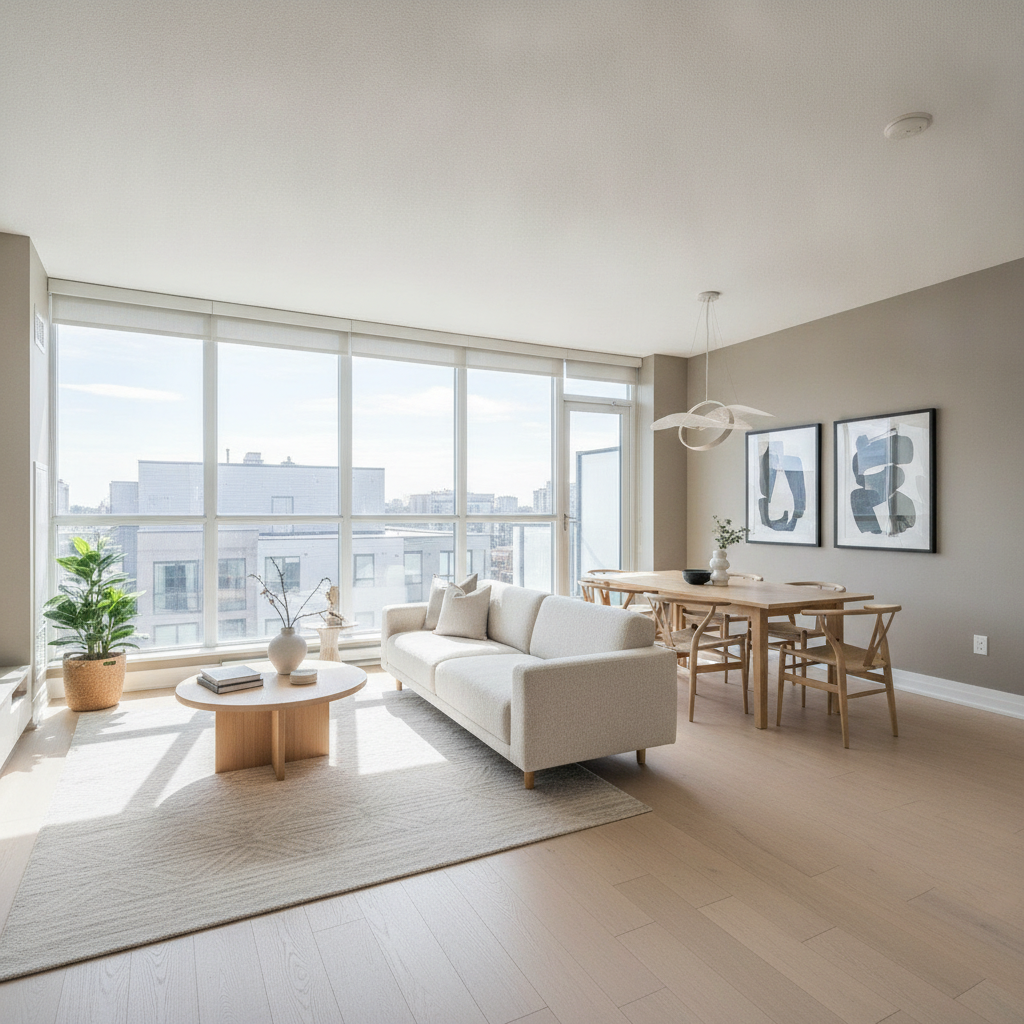
The best flooring for condos in Brampton balances quiet performance (IIC-rated soundproof underlayment), durability, and moisture protection. Top choices include luxury vinyl plank, engineered hardwood, porcelain tile over acoustic membranes, and high-density laminate. Each can meet condo board rules when paired with the right underlayment and a professional installation plan.
By Metro Tiles & Flooring Team • Last updated: June 23, 2026
Introduction
Condo flooring in Brampton requires low-noise assemblies, stable materials, and moisture resistance. This guide compares 10 proven options, highlights soundproof underlayment choices, and shows how to pass condo board approvals. You’ll see real-world examples from our showroom and practical steps to select, sample, and schedule your installation.
Condo living changes the flooring playbook. You’re not only choosing looks—you’re engineering a quiet, stable surface that keeps neighbors happy and meets building rules. We wrote this specifically for Brampton condo owners who want beautiful floors without headaches, delays, or compliance surprises.
- Understand condo board acoustic targets and what underlayments achieve them
- Compare 10 materials on noise, durability, moisture, and maintenance
- See installation tips we use across Brampton high-rises
- Use a simple checklist to get samples, approvals, and delivery locked in
At a Glance: What Works in Brampton Condos
The safest condo choices are luxury vinyl plank (waterproof), engineered hardwood (dimensionally stable), porcelain tile over acoustic membranes, and AC4–AC5 laminate with a condo-rated pad. Aim for assemblies that reduce impact noise and resist moisture, then verify building rules before your final selection.
Here’s the thing: most condo issues trace back to two oversights—insufficient sound control and ignoring moisture in kitchens, baths, or concrete slabs. We solve both daily with click-lock LVP, engineered hardwood floats, and porcelain tile paired with acoustic uncoupling + cork.
Want a quick warm-up on choosing? Our in-house checklist complements the advice in 5 questions you must answer, and we can walk you through samples at our flooring showroom.
Quick Comparison Table
Use this table to shortlist options fast. It shows how 10 condo-friendly floors stack up on noise control, water resistance, durability, and install method. Pair your favorite surface with a condo-rated underlayment to meet building acoustic guidelines and keep your neighbors comfortable.
| Flooring Type | Noise Control | Water Resistance | Durability | Install Method | Best For | Quick Notes |
|---|---|---|---|---|---|---|
| Luxury Vinyl Plank (LVP) | High with 1.5–3 mm pad | 100% waterproof | High (20 mil+ wear) | Floating click-lock | Whole-condo installs | Stable over concrete; easy maintenance |
| SPC Rigid Core Vinyl | High with IXPE/EVA pad | 100% waterproof | High (dense core) | Floating click-lock | Kitchens, entries | Excellent dent resistance |
| Engineered Hardwood | High with acoustic pad | Splash resistant | High (real wood top) | Floating or glue-assist | Living rooms, bedrooms | Condo favorite for warmth |
| High-Density Laminate (AC4–AC5) | High with attached pad | Moisture resistant | High scratch resistance | Floating click-lock | Busy households | Great for pets, kids |
| Waterproof Laminate | High with condo pad | Waterproof top/surface | High (upgraded core) | Floating click-lock | Open-plan spaces | Blends laminate feel + water lock |
| Porcelain Tile + Acoustic Membrane + Cork | High (layered assembly) | 100% waterproof | Very high | Mortar set | Baths, kitchens | Silences impact when layered |
| Ceramic Tile + Acoustic Membrane | High (with membrane) | Waterproof surface | Very high | Mortar set | Backsplashes, baths | Budget-friendly tile looks |
| Wood-Look Porcelain Planks | High with membrane | 100% waterproof | Very high | Mortar set | Kitchens, entries | Hardwood look, tile durability |
| Solid Hardwood (Board-Approved) | Moderate–High with pad | Moisture sensitive | High | Glue-assist or nail (where allowed) | Living rooms | Check condo rules first |
| Large-Format Porcelain Slabs | High with membrane | 100% waterproof | Very high | Mortar set | Minimal grout looks | Premium, seamless finish |
Our Top Pick: Luxury Vinyl Plank (LVP)
Luxury vinyl plank is the most forgiving condo floor: fully waterproof, dimensionally stable over concrete, quiet with a 1.5–3 mm pad, and easy to maintain. Pair a 20 mil+ wear layer with a condo-rated underlayment to meet acoustic targets and keep daily life low-maintenance.
Why it wins: LVP handles real condo life—spills, pets, rolling office chairs, and high foot traffic—without drama. Click-lock installs reduce downtime. Attached pads or separate acoustic underlayments help you hit typical condo acoustic goals while keeping transitions low at doors.
- Recommended spec: 5–7 mm total thickness, 20–28 mil wear layer, attached IXPE/EVA pad
- Where it shines: Whole-condo continuity, including kitchens and entries
- Maintenance: Sweep + damp mop; no refinishing required
- Showroom help: See waterproof options in our flooring collection
Pro move we use in Brampton high-rises: float LVP with perimeter expansion gaps, add a reducer where needed, and confirm door clearance before installation to avoid hinge rub on thicker pads.
#2: SPC Rigid Core Vinyl
SPC rigid core vinyl boosts dent resistance with a stone-polymer core while staying waterproof. It’s excellent near entry doors, around kitchen islands, and under rolling chairs. Use an IXPE or EVA pad to improve impact sound and meet condo acoustic expectations.
SPC feels solid underfoot and keeps seams tight across seasonal swings. We’ve found SPC a great match for open-concept condos where kitchen and living blend, especially when paired with a low-profile acoustic underlayment to maintain door clearances.
- Dense core resists telegraphing from minor subfloor variations
- Choose 1.5–2 mm attached pad or add a condo-rated underlayment
- Look at beveled edges for plank definition in long hallways
- See install tips echoed by this industry overview of luxury vinyl tile installation
#3: Engineered Hardwood
Engineered hardwood delivers real-wood warmth with a stable, cross-layered core. Float it over an acoustic pad or use a glue-assist where board rules allow. It’s a classic condo upgrade for living rooms and bedrooms when you want natural grain underfoot.
Why it works in condos: the engineered core controls expansion and contraction far better than solid hardwood. Pair with a 2–3 mm acoustic pad for impact sound. We regularly guide clients through finishes and plank widths—see our recent notes in hardwood flooring trends.
- Typical veneer: 2–4 mm—allows future refinishing depending on thickness
- Popular look: 7–8.5 in wide planks for visual calm in smaller rooms
- Explore sample colors like Vine Maple or Maple Barewood
- General background on wood installs from this hardwood contractor guide
#4: High-Density Laminate (AC4–AC5)
Modern laminate is incredibly scratch resistant (AC4–AC5 ratings) and pairs well with attached or separate acoustic pads. It’s a savvy pick for pet-friendly condos and busy households. Many collections now include moisture barriers for kitchen-adjacent spaces.
Laminates have come a long way. Texture-matched embossing and registered grain patterns rival wood looks at a glance. For an easy starting point, browse our laminate collections and take home samples to test against furniture and natural light.
- Look for sealed edges and water-resistant cores
- Combine with 1.5–2 mm condo-rated underlayment for quieter steps
- Keep wet mopping minimal; use damp microfiber cleaning
#5: Waterproof Laminate
Waterproof laminate merges the familiar laminate feel with upgraded water lock technology. It handles everyday spills better than standard laminate and keeps the same fast floating install. Add a quality acoustic pad to meet condo noise expectations.
We like waterproof laminate in open plans where the kitchen spills into living areas. The upgraded joints resist short-term standing water, while the dense core keeps surface dents at bay from chair legs and traffic.
- Prioritize tight-locking profiles and perimeter sealing where needed
- Keep transitions low with thinner pads at door thresholds
- Test samples near sinks and patio doors for sheen and texture
#6: Porcelain Tile + Acoustic Membrane + Cork
Porcelain tile becomes condo-friendly when layered over an acoustic uncoupling membrane and cork. This assembly damps impact noise while preserving tile’s waterproof, long-wearing benefits—perfect for bathrooms, entries, and high-splash zones.
We’ve delivered silent tile floors by combining an uncoupling sheet to break sound bridges and a 3 mm cork layer to absorb impact. Choose rectified edges for tight grout joints, or go bold with statement patterns. For inspiration, ask about European brands we carry, including Baldocer, featured in our tile style conversations.
- Membrane + cork helps tame impact noise into neighbor-approved levels
- Great for in-floor heat zones (confirm condo electrical allowances)
- Pair bath tile with a slip-resistant finish for safety
#7: Ceramic Tile + Acoustic Membrane
Ceramic tile offers a durable, budget-conscious surface. Add an acoustic membrane to soften impact noise and satisfy condo rules. It’s a reliable choice for bathrooms and laundry closets, especially where water exposure is routine.
Ceramic’s lighter body makes it easier to work with in smaller rooms. Mix matte and glossy finishes to zone spaces, and consider running matching waterproof themes into your storage or utility nooks.
- Choose 2x2–6x6 mosaics for shower floors to maximize grip
- Use stain-resistant grout or a penetrating sealer
- Check wall substrate for backsplash upgrades in kitchens
#8: Wood-Look Porcelain Planks
Wood-look porcelain gives you the hardwood aesthetic with tile toughness. Over an acoustic membrane, it performs quietly in condos and shrugs off water. It’s fantastic for kitchens, entries, and anywhere chairs slide daily.
These planks sync well with engineered hardwood in adjacent rooms. In our projects, we often carry the same color story from wood-look tile in the kitchen to engineered wood in living areas for a cohesive, upscale feel without noise trade-offs.
- Opt for long planks (e.g., 8 x 48 in) for visual continuity
- Use 1/3 offset to minimize lippage on longer tiles
- Warm up with area rugs where you want softness underfoot
#9: Solid Hardwood (Board-Approved Only)
Solid hardwood can work in specific condos that allow it, but it demands careful planning. Expect a thicker acoustic pad, glue-assist, and tight control of humidity. When boards allow, it delivers unmatched character and can be refinished in the future.
We typically steer condos to engineered for stability, but if your board approves solid, we’ll spec an acoustic pad and confirm slab moisture before layout. Explore species and tones in our flooring showroom to compare movement and grain.
- Target indoor RH around 35–55% year-round for wood health
- Use felt pads under furniture and chairs
- Mind plank width—narrower widths can disguise seasonal gaps
#10: Large-Format Porcelain Slabs
Large-format porcelain delivers a seamless, high-design look with minimal grout. Over acoustic membranes, it stays quiet and rock-solid—ideal for foyers and feature kitchens. It’s durable enough for decades of condo living.
Think of slabs as a statement: expansive surfaces, easy cleaning, and a sense of visual calm. We often pair matte slabs on the floor with a honed backsplash to avoid glare lines in condos with floor-to-ceiling glass.
- Confirm elevator clearances and handling route before scheduling
- Use leveling systems for flat installs with minimal lippage
- Seal grout and use pH-neutral cleaners
How to Choose the Right Condo Floor
Start with your condo board rules, then match materials to lifestyle: waterproof where spills happen, scratch resistance for pets, and acoustic pads for quiet. Finally, bring samples home, verify transitions, and book professional installation to avoid delays.
Priority checklist
- Board rules first: Verify required underlayment type and thickness; note any IIC/STC targets and allowed install methods (floating vs glue-assist).
- Moisture zones: Choose 100% waterproof surfaces (LVP or porcelain) for kitchens, baths, and laundry closets.
- Scratch & dent: For pets and rolling chairs, lean SPC vinyl or AC4–AC5 laminate.
- Warmth factor: Prefer engineered hardwood for living spaces if you want real wood underfoot.
- Transitions: Check door, closet, and patio clearances when combining pads + floors.
Local considerations for Brampton
- Schedule deliveries to avoid rush windows near Intermodal - Zum Bovaird Station Stop NB, especially for large-format tile or slab days.
- Winter installs mean dry air; stabilize indoor humidity for wood floors to prevent gaps and creaks.
- If you back onto Airport Rd n/of Clark Blvd, consider higher-impact acoustic pads to counter street noise reflections in open rooms.
Need help narrowing options? We’ll walk you through real samples and layouts at the showroom and flag any rule conflicts before you order.
Buying Guide: From Sample to Install
Grab 2–3 favorites, confirm board rules, and schedule a measurement. We’ll finalize trims, underlayment, and logistics, then coordinate elevator bookings and delivery. Expect a clean, quiet install that protects hallways and common areas.
- Visit the showroom: Compare LVP, laminate, engineered hardwood, and porcelain side-by-side. We’ll suggest 2–3 contenders based on your space.
- Take-home samples: View against natural light morning and evening; check sheen, texture, and match with cabinets.
- Rule verification: Share board guidelines; we’ll specify an acoustic pad (often 1.5–3 mm) and install method to comply.
- Measure & plan: We confirm subfloor, transitions, trims, and any leveling needs.
- Logistics: Coordinate elevator times, hallway protection, and debris removal. We align with your building superintendent.
- Installation: Float or glue-assist as approved; test squeaks, adjust doors if needed, and complete final walk-through.
Free showroom consult: Bring your condo rules and a few photos. We’ll map a compliant assembly, from underlayment to trims, and prepare a no-obligation plan.
Explore options anytime in our flooring category, then visit to compare finishes in person.
Frequently Asked Questions
Most Brampton condos accept floating LVP, laminate, and engineered hardwood over acoustic pads, plus porcelain with approved membranes. Always verify rules first; we’ll spec underlayment and installation details to meet your building’s standards.
What flooring do most Brampton condos allow?
Floating LVP, laminate, and engineered hardwood with an acoustic pad are common approvals. Porcelain or ceramic tile is usually permitted in baths and kitchens when paired with an acoustic membrane. Always confirm the exact underlayment spec in your building guidelines.
Can I use heated floors in my condo bathroom?
Often yes, with electric radiant mats under tile. We check electrical allowances, thermostats, and sensor placement, and we layer an acoustic membrane to meet sound targets. Your board may ask for product data and a circuit load calculation.
Do I need a specific underlayment thickness?
Condo pads commonly range 1.5–3 mm. The goal is acoustic performance without creating door or transition issues. We’ll match pad type and thickness to your floor choice and your board’s written standard.
Is engineered hardwood better than vinyl for condos?
It depends on priorities. Engineered hardwood offers real-wood warmth and can be refinished; LVP is fully waterproof and tougher against daily spills. For many condos, LVP wins in kitchens and entries, while engineered shines in living areas and bedrooms.
How long does condo flooring installation take?
Most one- to two-bedroom condos finish within a few working days, depending on subfloor prep and elevator scheduling. We coordinate protection for hallways, book elevator time, and keep noise within building limits to minimize disruption.
Our Methodology
We ranked options by acoustic potential, moisture resistance, durability, installation practicality, and condo rule compliance. Our picks reflect hundreds of in-showroom consultations and many successful high-rise installs across Brampton and the GTA.
- Acoustics: Prioritized assemblies that accept 1.5–3 mm pads/membranes without raising transitions excessively.
- Moisture: Elevated waterproof options (LVP, SPC, porcelain) for kitchens, baths, and laundry closets.
- Durability: Emphasized wear layers 20 mil+ and AC4–AC5 where relevant.
- Installation: Considered elevator logistics, door clearances, and debris control for condo rules.
- Design: Selected collections that harmonize across rooms for cohesive whole-condo looks.
For broader context on installation approaches beyond condos, see these general guides on LVT installs and hardwood flooring, along with this apartment-focused flooring overview. We’ll tailor specifics to your building’s written standards.
Conclusion: The Quiet, Durable Condo Floor You’ll Love
Pick a floor that looks great and keeps peace with your condo board. LVP leads for all-around performance; engineered hardwood wins on warmth; porcelain + membranes solve wet zones; and AC4–AC5 laminate thrives in busy homes. Bring your rules—we’ll spec a compliant, beautiful assembly.
Key Takeaways
- Start with building rules; then pick materials to match lifestyle zones
- Acoustic pads and membranes are as important as the surface
- Waterproof surfaces excel in kitchens, baths, and entries
- Engineered hardwood adds warmth where water isn’t a concern
- Professional planning avoids delays and failed inspections
Ready to see options in person? Visit Metro Tiles & Flooring in Brampton, bring your condo guidelines, and we’ll help you choose samples, confirm underlayment, and plan delivery. A quiet, durable condo floor is closer than you think.
Topics